
September 29, 2026 · 6 min read
Constructive Freedom: Letting Dogs Be Dogs Without Constant Direction
By Andrew · Trail & Heel
Sometimes we train dogs so much that they get very good at following instructions, but not always very good at simply existing without them.
They may know sit, down, heel, place, come, leave it, wait, and all the other skills we teach because those skills are useful. But if every walk, outing, or training session becomes a constant stream of direction, the dog spends a lot of time waiting for us to tell them what to do next.
That is why I think about something I call Constructive Freedom.
Constructive Freedom means giving your dog time to make their own decisions and just be a dog, while still keeping the situation safe and controlled. The point is not to abandon structure. The point is to set up the environment well enough that you do not have to micromanage every movement.
That might mean letting your dog sniff for ten minutes without moving them along. It might mean letting them run at full speed, roll in the grass, dig, splash through mud, wander around a field, or investigate something that interests them. Depending on the dog and the environment, it might even mean letting them follow a scent or chase something safe for a short stretch.
For my own dogs, it can look like this.
My dogs can safely have quite a bit of freedom because of the training and relationship we have built over time. For another dog, Constructive Freedom might look completely different.
Start with a long line
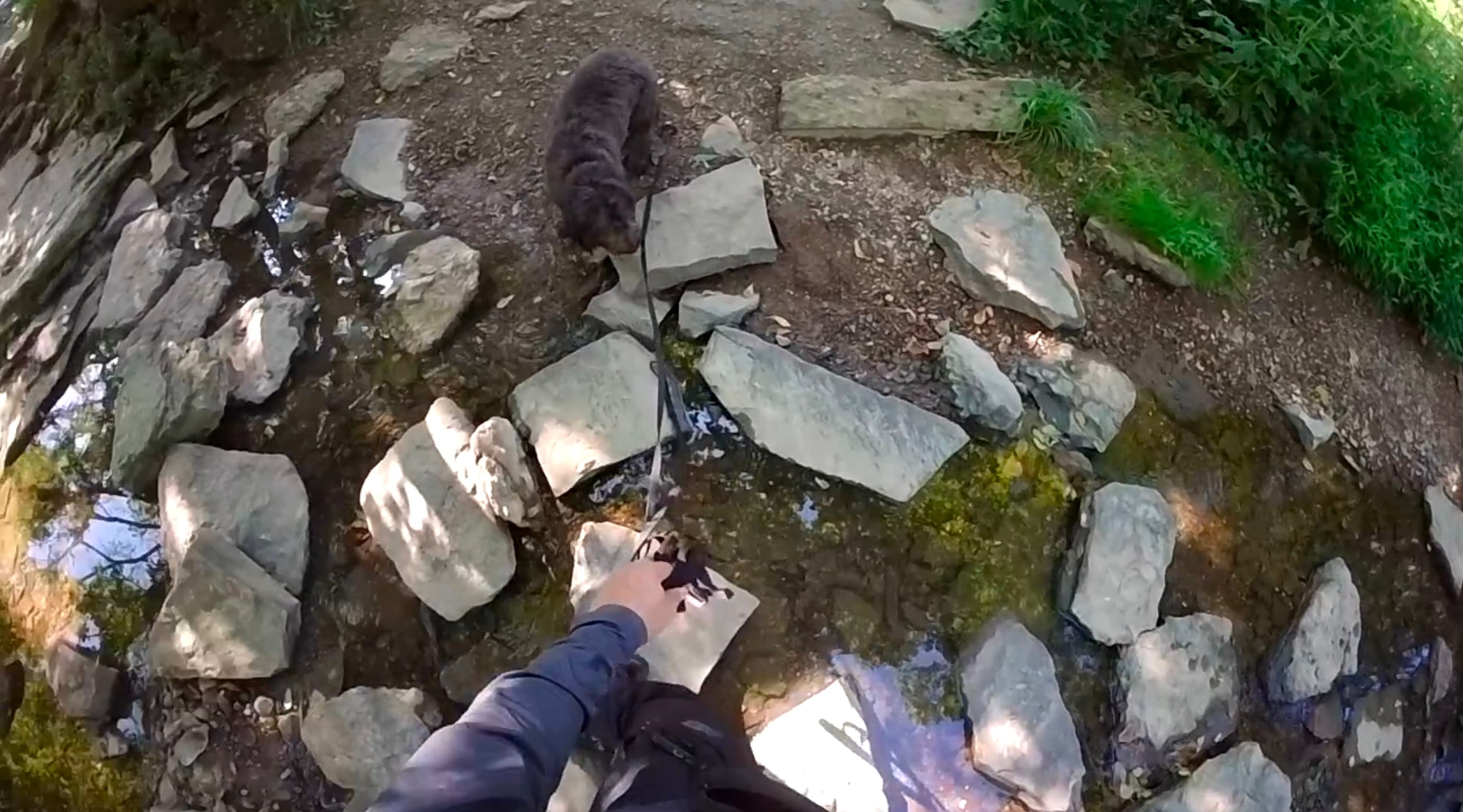
For most people, one of the easiest ways to do this is with a 30- to 50-foot long line. Take your dog to a quiet park, trail, field, or other open area and give them room to move. You still have a way to control the situation if you need to, but the dog gets to choose where to sniff, how quickly to move, and what they want to investigate.
This is one of the reasons the long line is probably my favorite training tool. It gives dogs a level of freedom that a six-foot leash cannot, without requiring perfect off-leash reliability.
Freedom is not the same as exercise
I think this matters more than people realize, especially for dogs that are pent up, anxious, reactive, or easily overstimulated.
Owners will sometimes tell me their dog gets plenty of exercise. They go on walks every day. They have puzzle toys, chews, a backyard, and enrichment. All of that can be useful, but it does not always replace the experience of having freedom of movement and choice.
A thirty-minute sidewalk walk where your dog is expected to stay next to you is very different from thirty minutes wandering around a field on a long line. The amount of physical exercise may not even be that different, but the experience is.
Why I use it in training
I use this often with dogs that are anxious, reactive, fearful, or overly excited. Before asking them to do something hard, I may give them some room to sniff, move around, explore, and settle into the environment.
Instead of immediately asking for heel, engagement, or obedience, I may let the dog take in the space first. Sometimes the dog that seemed completely unable to focus ten minutes earlier becomes much easier to work with after they have had a chance to decompress.
That does not mean letting a reactive dog run toward other dogs or letting an anxious dog put themselves into situations they cannot handle. The important part of Constructive Freedom is choosing the environment carefully enough that you do not need to constantly intervene.
If you are saying "leave it," "come," "heel," "no," or your dog's name every few seconds, sometimes the solution is not more obedience. Sometimes the setup needs to change.
Give the dog more distance. Find a quieter location. Use a longer line. Go somewhere with fewer distractions. Create a situation where the dog can make more choices without those choices constantly becoming a problem.
The point of training is more freedom
Good training should create more freedom, not less.
We teach recall so dogs can safely explore farther away. We teach impulse control so they can handle more situations. We teach leash skills and communication so they can experience more of the world with us.
The goal should not be a dog that needs instructions every second.
Sometimes one of the best things you can do for your dog is create a safe environment, give them some space, and stop telling them what to do for a while.