
March 21, 2025 · 4 min read
Why I (Usually) Don't Let People Touch My Dogs
By Andrew · Trail & Heel
Letting every stranger who reaches out their hand pet your dog is not socialization. It's access. There's a difference — and confusing the two causes more problems than it prevents.
Socialization is not unlimited access
Real socialization is about teaching a dog that the world is safe and predictable. That means controlled, positive exposure to new environments, sounds, surfaces, and people at a pace the dog can handle. It does not mean every dog must be touched by every stranger without hesitation.
A dog that tolerates everything is not automatically confident. Sometimes it is just shut down. You cannot always tell the difference from the outside, which is why watching your dog's actual response — body language, ear set, weight shift, eye softness — matters more than whether they stood still.
Dogs do not owe strangers physical contact
This is a simple principle that most people have not thought about, because we grow up in a culture where dogs are assumed to be public property. Someone walks up, reaches down, makes contact — and the owner either lets it happen or has an awkward moment trying to stop it.
But your dog did not consent to that interaction. They did not choose to be approached by a stranger on a tight leash with nowhere to go. Consistently putting them in that situation, especially if they are uncomfortable, is one of the faster ways to build frustration that eventually comes out sideways.
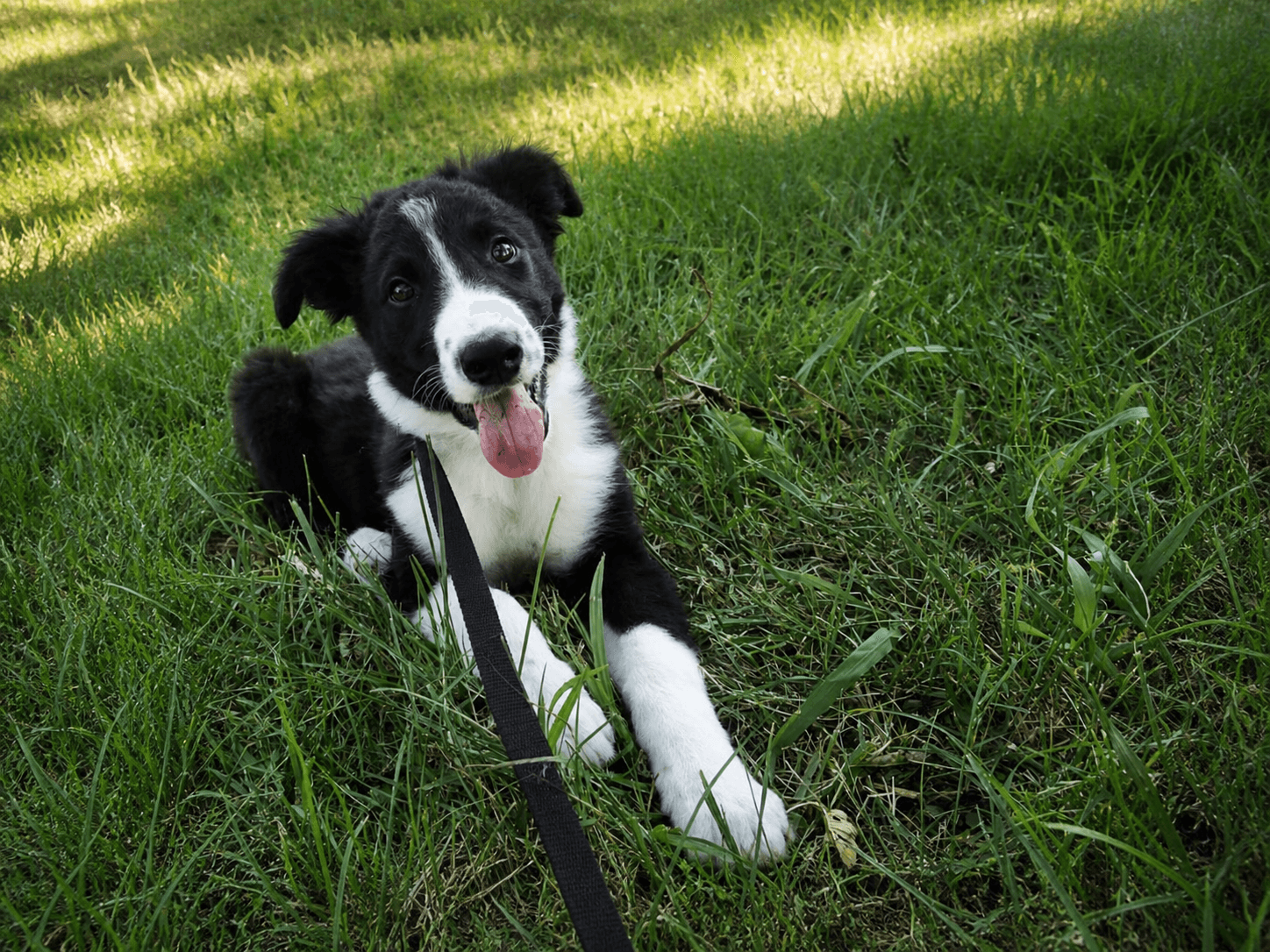
Every dog is different
Some dogs genuinely love meeting people. They wiggle, they lean in, they want every hand that is offered. For those dogs, greeting strangers calmly on walks is a reasonable thing to practice.
Many dogs do not feel that way, and they are not broken. An anxious dog, an under-socialized dog, a dog that has had a bad experience — these dogs need space and structure, not forced interactions to "get used to it." Getting used to something and actually being okay with it are not the same state.
My default is no
When I am working with a dog on a training walk, my default answer to strangers asking to pet them is no, or not right now. That is not unfriendly. It is context. We are working. The dog is focused. An interaction with a stranger changes the energy of the outing, and often not in a useful direction.
If someone asks and the dog is clearly relaxed and the timing works, sometimes yes. But it is always a decision, not a reflex — and the dog's preference is part of that decision.
Limits protect confidence
A dog that knows their handler will advocate for them in uncomfortable situations is a dog that builds genuine trust. That trust is what makes everything else easier — leash work, focus, calm in new environments, reliability when things get unpredictable.
You do not have to let every stranger pet your dog. In fact, for most dogs in most situations, a polite no is better training than a reluctant yes.